For most of us, doing laundry is a routine task we barely think about. We load the clothes, pour in the detergent, press a button, and walk away while the machine hums through its cycle. It spins, agitates, rinses, and drains without much attention from us. Because it operates so reliably, it’s easy to forget that a washing machine isn’t just a simple appliance. It’s a system made up of interconnected components that require regular care to function properly.
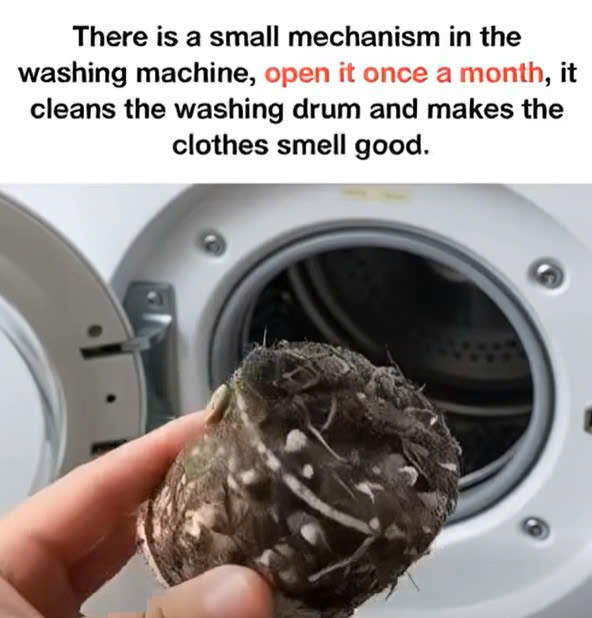
One of the most important — yet most commonly ignored — parts of that system is the washing machine filter. Small and often hidden, this component quietly ensures that your clothes come out clean and that your appliance continues running efficiently.
While the drum and detergent dispenser tend to get most of the attention, the filter plays a critical supporting role. During every wash cycle, tiny particles separate from your laundry. Lint, fibers, dust, hair, and even small objects like coins or buttons can accumulate. The filter’s job is to catch and contain these items before they circulate through the machine’s internal plumbing.
Without a functioning filter, debris would travel freely through hoses and pumps. Over time, this could cause blockages, restrict drainage, and strain mechanical components. In other words, the filter protects both your clothes and the appliance itself.
The filter isn’t just about cleanliness. It’s a protective safeguard. As lint and debris build up, they can obstruct water flow. A clogged filter interferes with drainage and circulation, triggering a chain reaction of problems.
One of the first signs of a dirty filter is unpleasant odor. Trapped moisture mixed with debris creates an environment where mildew and bacteria can thrive. The result is a musty smell that may transfer onto freshly washed clothes.
Another common issue is poor drainage. When water cannot exit efficiently, cycles may stop unexpectedly, run longer than normal, or leave clothes soaking wet at the end. Detergent residue may remain on fabrics, leaving them feeling stiff or sticky instead of fresh.
A clogged filter can also increase energy usage. When the pump struggles to circulate and expel water, the motor works harder. This not only raises your electricity bill but also adds unnecessary wear to internal parts. Over time, neglect can shorten the lifespan of your washing machine and lead to costly repairs.
The good news is that preventing these issues is simple. For most households, cleaning the filter once a month is enough. However, some situations require more frequent maintenance.
Large families often run multiple loads each week, which means more lint and debris. Pet owners face an additional challenge, as fur and dander quickly accumulate in the filter. Washing heavy fabrics like towels, blankets, or jeans produces extra fibers. In humid climates, moisture can accelerate mildew growth.
Some modern washing machines include indicator lights that alert you when the filter needs attention. If yours does not, setting a monthly reminder on your phone or calendar is a practical solution.
Cleaning the filter is straightforward. Always unplug the washing machine first to ensure safety. Locate the filter according to your model. On front-loading machines, it is typically behind a small panel near the bottom front. On top-loaders, it may be inside the drum near the agitator or attached to the back of the tub. Your user manual can guide you if needed.
Before removing the filter, place a towel or shallow container beneath it. Even after draining, some water may spill out. Gently twist or pull out the filter and rinse it under warm water. Use a soft brush to remove stubborn lint or residue. Check for small objects that may be trapped inside.
Wipe down the filter compartment with a damp cloth to remove buildup from corners and crevices. Once clean, securely reinstall the filter and close the panel tightly to prevent leaks.
For an optional deep clean, run an empty hot water cycle with one cup of white vinegar. This helps eliminate odors and dissolve detergent residue. Some homeowners follow with a second cycle adding half a cup of baking soda for additional freshness.
Maintaining the filter offers several benefits. Clothes come out cleaner and free of residue. The machine drains properly and operates more efficiently. You may even notice quieter cycles, as clogs can cause vibrations and unusual sounds.
For allergy sufferers, regular filter cleaning can improve indoor air quality. Dust and fibers trapped in a neglected filter may circulate back into the laundry area. Keeping it clean helps minimize allergens.
If you notice musty smells, damp clothes after a cycle, detergent streaks on garments, or unusual noise, the filter likely needs attention. Addressing these signs early prevents minor issues from escalating.
Long-term neglect can lead to clogged hoses, overworked motors, corrosion, and higher energy bills. Spending just a few minutes each month protects your investment and preserves performance.
The first time you clean your filter, you may be surprised by how much debris has accumulated. This initial cleaning may take longer, but future maintenance becomes quick and simple once the habit is established.
Appliance experts agree that filter care is as important as cleaning the drum and gasket. Even brand-new machines begin collecting lint from the very first load. Establishing a routine early ensures years of reliable operation.
Consistency is key. A monthly filter cleaning combined with quarterly deep-clean cycles keeps your washing machine in top condition. An annual inspection of hoses and seals adds another layer of preventive care.
Although the washing machine filter is small and easy to overlook, its impact is significant. Ignoring it can lead to odors, drainage problems, increased energy use, and reduced appliance lifespan. Giving it attention takes only minutes but delivers lasting rewards.
Your washing machine works hard every week. A simple act of maintenance — removing lint, rinsing away buildup, or running a vinegar cycle — keeps it performing at its best. Small efforts make a meaningful difference, ensuring cleaner laundry, lower costs, and a healthier home environment for years to come.