When Linda Ronstadt released her version of “Blue Bayou” in August 1977, few could have predicted just how significant the recording would become. The song represented far more than another successful single in an already impressive career. It became a defining moment for Ronstadt, a landmark achievement in the evolution of crossover music, and one of the most memorable recordings of the decade.
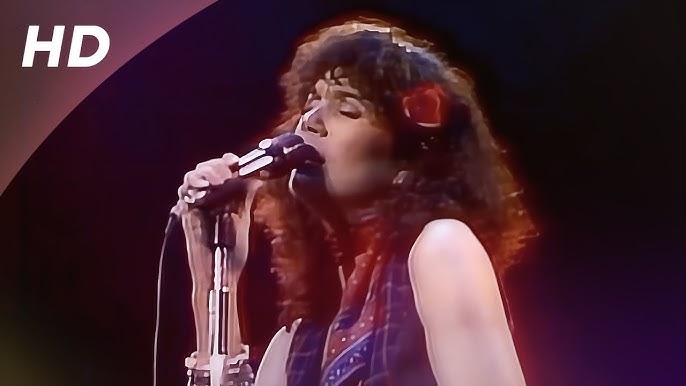
Originally written by Roy Orbison and Joe Melson and first recorded by Orbison in 1961, “Blue Bayou” already carried a powerful emotional foundation. The song told a story of longing, nostalgia, and the desire to return to a place that represented comfort, belonging, and peace. While Orbison’s original version was admired for its heartfelt delivery, Ronstadt recognized an opportunity to reinterpret the song through her own unique artistic perspective.
Her vision proved remarkably successful.
By combining the emotional depth of country music with the accessibility and polish of mainstream pop, Ronstadt created a recording that resonated with audiences across multiple genres. The song quickly became one of the biggest hits of her career, reaching No. 3 on the Billboard Hot 100 and claiming the top position on the Adult Contemporary chart.
More importantly, it connected deeply with listeners who found themselves drawn to its emotional honesty and timeless message.
By 1977, Linda Ronstadt was already widely recognized as one of the most talented female performers in American music. Born and raised in Tucson, Arizona, she grew up surrounded by a rich musical heritage. Her family introduced her to traditional Mexican music at an early age, helping shape the broad musical influences that would later define her career.
After relocating to Los Angeles, Ronstadt joined the folk-rock group The Stone Poneys. The band achieved success with several recordings, but it soon became clear that her voice possessed extraordinary qualities that extended beyond any single musical category.
As a solo artist, she quickly developed a reputation for transforming existing songs into something uniquely her own.
Rather than simply covering popular recordings, Ronstadt brought new emotional dimensions to the material she selected. Her interpretations often felt fresh, personal, and deeply authentic.
One of her greatest strengths was the remarkable versatility of her voice.
She could deliver the power and confidence of a rock singer, the elegance of a pop vocalist, and the emotional vulnerability of a country performer with equal skill. That rare ability allowed her to move effortlessly between genres at a time when musical categories were often rigidly separated.
“Blue Bayou” perfectly showcased those talents.
Ronstadt had admired Roy Orbison for years and felt a strong personal connection to the song. The themes of homesickness and longing resonated with her experiences as a touring musician who spent much of her life traveling far from home.
For her, the song represented more than a physical destination.
It symbolized a place of emotional comfort and personal reflection.
The Blue Bayou described in the lyrics existed as much in memory and imagination as it did in reality. It represented the universal desire to return to somewhere familiar when life becomes overwhelming.
That emotional connection helped shape her interpretation.
Working alongside longtime producer Peter Asher, Ronstadt approached the song with a sense of restraint and sophistication. Instead of emphasizing dramatic flourishes, the production focused on creating an intimate atmosphere that allowed the song’s emotions to shine naturally.
The arrangement featured shimmering acoustic guitars, subtle percussion, delicate string accompaniment, and carefully layered instrumentation.
Every musical element served the song rather than competing for attention.
Most importantly, the production created space for Ronstadt’s voice to become the centerpiece.
Her vocal performance remains one of the most celebrated achievements of her career.
She delivered each line with remarkable sensitivity, balancing strength and vulnerability in a way that felt completely genuine. Rather than overwhelming listeners with vocal theatrics, she invited them into the emotional world of the song.
The result was both powerful and deeply moving.
Critics praised the recording almost immediately.
Many described it as one of the finest performances of Ronstadt’s career, highlighting her ability to communicate complex emotions with clarity and grace.
Commercially, the song performed exceptionally well.
“Blue Bayou” spent twenty-three weeks on the Billboard charts and reached No. 3 on the Hot 100. It also topped the Adult Contemporary chart and climbed to No. 2 on the Country chart.
Such success across multiple formats was relatively uncommon at the time and demonstrated the song’s broad appeal.
Although Ronstadt did not win the Grammy Award that year, the cultural influence of “Blue Bayou” proved far more enduring than any single trophy.
The recording quickly became a defining soundtrack for countless listeners.
It played on late-night radio stations, filled jukeboxes across the country, and became associated with quiet moments of reflection for an entire generation.
Its popularity extended well beyond traditional genre boundaries.
At a time when many artists remained confined to specific musical categories, Ronstadt’s success showed that audiences were open to something different.
Pop fans embraced country-inspired storytelling and instrumentation.
Country listeners welcomed a more polished production style without losing the emotional authenticity they valued.
In many ways, “Blue Bayou” helped bridge two musical worlds.
For Ronstadt personally, the song marked an important turning point.
It expanded her audience internationally and introduced her music to listeners who may not have been familiar with her earlier recordings. The song became a highlight of her live performances and remained one of the most requested numbers throughout her career.
Its influence also reached beyond her own success.
Many artists who followed began experimenting more freely with blended musical styles. Female performers, in particular, found encouragement in Ronstadt’s refusal to be limited by traditional genre expectations.
She demonstrated that artistic authenticity mattered more than fitting neatly into a predefined category.
Although numerous musicians have recorded “Blue Bayou” over the years, few versions have matched the emotional impact of Ronstadt’s interpretation.
Even Roy Orbison reportedly acknowledged the remarkable qualities she brought to the song.
Her version introduced the composition to new generations of listeners and ensured its continued relevance decades after its original release.
Years later, “Blue Bayou” remains one of the most beloved recordings in American popular music.
It continues to appear in films, television programs, radio playlists, and streaming collections dedicated to classic songs. Its induction into the Grammy Hall of Fame further recognized its enduring significance and lasting artistic value.
The song also anticipated the modern musical landscape, where artists regularly blend genres and draw inspiration from diverse influences.
Long before genre-fluid music became commonplace, Linda Ronstadt demonstrated that great songs transcend labels.
When she was inducted into the Rock & Roll Hall of Fame in 2014, “Blue Bayou” stood as one of the defining achievements of her remarkable career.
Although illness eventually prevented her from singing, the recording continues to speak for her artistry and influence.
Ultimately, “Blue Bayou” endures because of its emotional truth. It captures a universal longing for home, peace, belonging, and the comfort of cherished memories. In Linda Ronstadt’s hands, that longing became something listeners could not only hear but genuinely feel. Nearly five decades later, the song remains a timeless reminder of the power of music to connect people through shared emotions, beautiful storytelling, and unforgettable performances.