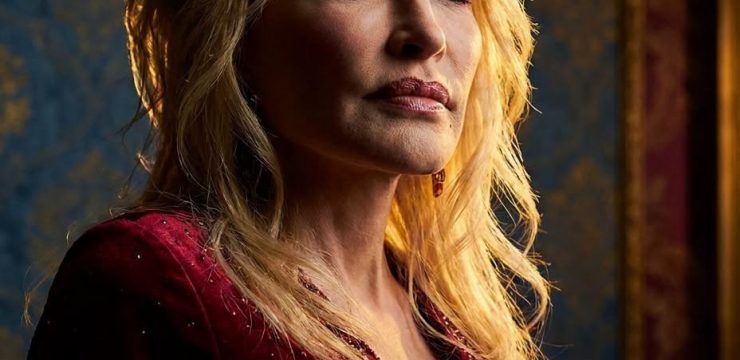
Imagine opening a television time capsule from the heart of the 1980s. Inside, you would find more than old videotapes and forgotten commercials. There would be towering hairstyles, bold shoulder pads, glittering evening gowns, polished suits, and an unmistakable sense of Hollywood luxury. At the center of that glamorous world stood Dynasty, the prime-time soap opera that came to symbolize an era defined by ambition, excess, power, and unforgettable drama. The series became famous for shocking betrayals, fierce rivalries, lavish settings, and legendary confrontations. Yet beneath all the spectacle, one of its greatest strengths was the compelling chemistry between Linda Evans and John Forsythe.
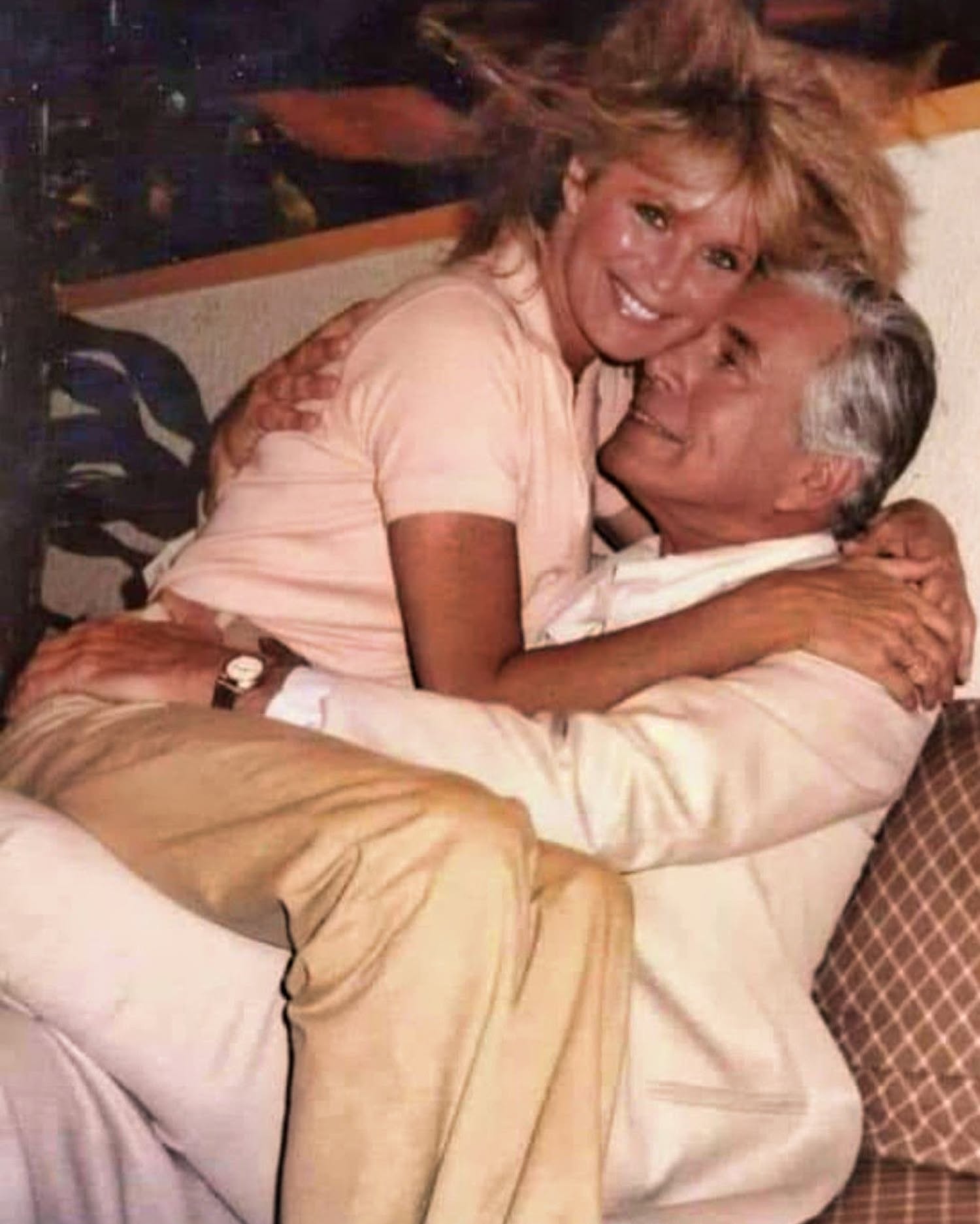
Together, Evans and Forsythe brought emotional weight to the complicated world of the Carrington family. Their characters moved through stories involving Denver oil, enormous wealth, personal loyalty, family conflict, and painful deception. What could have been only a stylish nighttime drama became a lasting cultural phenomenon because audiences cared deeply about the people inside that luxurious universe. Week after week, millions of viewers tuned in, eager to see what would happen next and how the Carringtons would survive another crisis.
Linda Evans gave the series warmth, grace, and emotional openness through her portrayal of Krystle Carrington. Surrounded by powerful business figures, ambitious socialites, and people willing to do almost anything to get what they wanted, Krystle often served as the family’s moral center. She was kindhearted and compassionate, but she was never simply a passive figure standing quietly in the background. Evans played her with quiet strength, patience, dignity, and resilience, allowing Krystle to face the turmoil around her without losing the values that made her different.
That balance made the character especially memorable. Krystle could be gentle without appearing weak, and she could stand firm without becoming cruel. Evans made her relatable to viewers while also turning her into one of television’s most recognizable style icons of the decade. Whether Krystle appeared in an elegant beaded gown, a perfectly tailored outfit, or a refined evening look, she carried herself with effortless poise. Her presence showed that goodness could still be interesting and that decency could remain powerful even in a world filled with conflict. The performance earned Evans admiration from critics and secured her lasting place in popular culture.
Standing opposite her was John Forsythe as Blake Carrington, the commanding head of the family and a powerful figure in the oil industry. Forsythe brought authority, confidence, and unmistakable presence to the role. Blake could be calculating, demanding, and ruthless in business, yet Forsythe also revealed his protective side and his fierce devotion to the people closest to him. That complexity prevented the character from becoming a simple villain or an emotionless businessman.
Forsythe had a rare ability to combine corporate toughness with smooth charm. His calm voice, polished manner, and distinguished appearance helped make Blake Carrington one of the defining television patriarchs of the era. Even when Blake made difficult or controversial choices, Forsythe gave the character enough humanity to keep viewers interested. He could dominate a room without raising his voice, and his composed style gave the role a level of elegance that few performers could match.
Longtime television fans may also remember another remarkable part of Forsythe’s career. While appearing on Dynasty, he was already associated with one of the most famous unseen characters in television history. He provided the voice of Charlie, the mysterious speakerphone boss in Charlie’s Angels. Although audiences never saw Charlie’s face, Forsythe’s voice became instantly recognizable. That connection made him a unique presence across two major television successes and added another memorable chapter to his Hollywood legacy.
The vintage promotional photographs of Evans and Forsythe capture the visual magic that helped make Dynasty so influential. In these carefully styled images, they appear dressed in sophisticated, high-fashion clothing that reflects the luxury television embraced during the 1980s. Every detail, from the tailoring of Forsythe’s suits to the elegance of Evans’s gowns, communicates wealth, refinement, and confidence. The photographs do more than remind fans of the actors. They preserve the atmosphere of a period when prime-time television proudly celebrated glamour on a grand scale.
These archival pictures now feel like historical records of a distinctive entertainment era. They show a time when network dramas used clothing, mansions, jewelry, cars, and elaborate interiors to create worlds that seemed larger than life. The Carringtons were not presented as ordinary people, and that was part of the attraction. Viewers entered their world for an hour and experienced a level of extravagance far removed from everyday life. Evans and Forsythe gave that fantasy a human center, making the characters feel emotionally recognizable even when their surroundings were extraordinarily luxurious.
Decades after Dynasty ended, the legacy of Linda Evans and John Forsythe remains secure. They did more than portray a glamorous television couple. Together, they helped establish a model for later dramas that combined family relationships, wealth, ambition, romance, rivalry, and emotional conflict. Their work demonstrated that visual spectacle becomes truly effective only when it is supported by believable human connections.
Through reruns, streaming platforms, television archives, and vintage photographs, new generations continue to discover their performances. Their partnership still represents a period when prime-time television was bold, polished, dramatic, and proudly glamorous. Linda Evans and John Forsythe remain remembered as one of the defining power couples of 1980s television, and their place in entertainment history continues to endure even today.