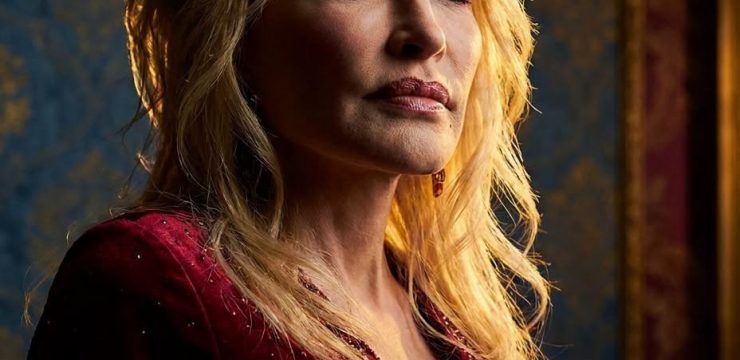
Photographs of young women from the 1970s can bring an entire era back to life. The hairstyles, clothing, poses, and even the texture of the photographs immediately feel different from modern images. Long natural hair, fitted tops, high waisted jeans, simple jewelry, and relaxed everyday outfits were common sights. There was a casual confidence in the way many women presented themselves, creating a look that still feels unmistakably connected to the decade decades later.
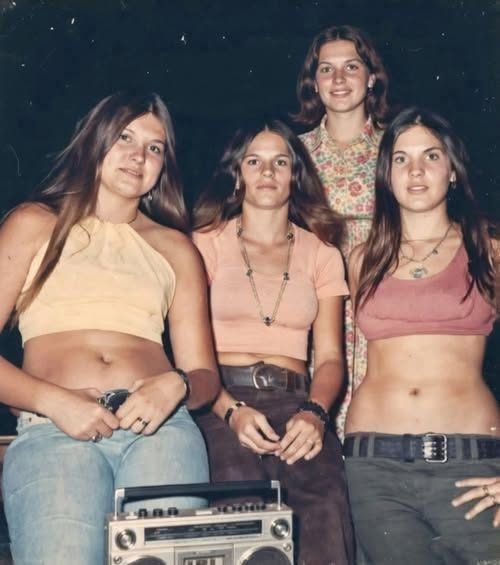
One of the first things many people notice is the natural quality of these old photographs. Beauty trends certainly existed in the 1970s, and makeup was an important part of fashion for many women. However, everyday pictures often appeared less polished and less carefully controlled than modern social media images. There were no digital beauty filters, no phone apps that could reshape facial features, and no instant editing tools that could smooth skin or change lighting. As a result, casual photos often showed people closer to their everyday appearance.
Makeup during the decade could range from very subtle to bold, depending on taste and occasion. Some women preferred a fresh, barely there appearance, while others embraced colorful eye shadow, defined lashes, glossy lips, or more dramatic evening styles. Still, many family snapshots and informal photographs were not built around creating a flawless image. The goal was often simply to capture a moment, friendship, vacation, or ordinary afternoon. That gives many pictures from the period a spontaneous quality that can feel refreshing to modern viewers.
Fashion is another reason 1970s photographs are so easy to recognize. Crop tops, halter tops, flared jeans, wide leg pants, denim jackets, floral dresses, platform shoes, and broad belts all became associated with the era. These pieces could be combined in different ways, allowing women to express their personalities without needing every detail to match perfectly. Some styles were influenced by music, youth culture, bohemian fashion, disco, or changing ideas about comfort and individuality.
Many outfits also looked accessible. Instead of depending entirely on luxury labels or highly coordinated designer collections, people could create fashionable looks with relatively simple pieces. Denim was especially important because it could be casual, practical, and stylish. A pair of high waisted jeans with a fitted shirt or simple top could create a complete look without much effort. Dresses with floral patterns or flowing silhouettes offered another popular option, especially for people drawn to the softer, more relaxed side of 1970s fashion.
Hair played a major role as well. Long, loose styles were extremely common, and many women wore their hair naturally rather than with a heavily structured finish. Straight hair, soft waves, center parts, feathered layers, and simple pulled back styles all appeared throughout the decade. Of course, not every woman wore the same hairstyle, and trends changed over time. Still, the overall impression in many photographs is one of movement, softness, and individuality rather than perfect uniformity.
Another major difference is not about fashion at all. It is about the camera. Film photography shaped the way memories were created and preserved. A person taking a picture could not immediately check the result on a screen. There was no option to take fifty images, compare them instantly, and keep only the most flattering version. Film cost money, developing took time, and photographers often had a limited number of exposures. Because of that, people might pose once or twice and simply hope the picture turned out well.
That limitation changed the character of photography. A slightly awkward expression, uneven hair, imperfect posture, or unexpected background detail might remain because there was no quick way to remove it. Those small imperfections became part of the memory. Years later, they can make old photographs feel more personal and authentic. Instead of presenting a carefully selected digital identity, many film pictures preserved a single moment with all of its ordinary details still visible.
Lighting was also less controllable in casual situations. Modern phones automatically adjust brightness, sharpen images, improve color, and sometimes enhance faces. Film cameras required more patience and offered fewer automatic corrections. A photograph could be grainy, softly focused, overexposed, or slightly dark, yet those qualities now contribute to the nostalgic appearance people associate with the 1970s. The visual texture of film itself helps separate those images from the cleaner, sharper photographs produced by modern devices.
It is important, however, not to assume that every woman in the 1970s looked alike or followed the same trends. The decade included great variety in fashion, culture, lifestyle, and personal expression. Some women embraced glamorous styles, others preferred practical clothing, and many combined influences reflecting their communities and personalities. What stands out today is not a single universal look, but a broader combination of recognizable clothing, natural presentation, and the distinctive qualities of film photography.
These details explain why vintage images can seem unusually candid, even when the people in them posed for photographs.
That combination is what gives photographs of women from the 1970s such lasting appeal. They capture more than hairstyles and outfits. They preserve an era before digital filters, instant previews, and constant online presentation changed the way people think about photographs. The images often feel relaxed, personal, and unedited, while the fashion remains immediately recognizable. Looking at them today offers a fascinating reminder of how beauty, style, and photography have evolved, and why the visual character of the 1970s continues to attract attention generations later.