One unexpected benefit of social media is the incredible speed at which important information can now be shared. Warnings that once traveled slowly by word of mouth can now reach thousands of people in minutes, potentially preventing injuries and even saving lives. That speed, however, only matters if people take the information seriously. One mother’s experience serves as a powerful reminder that what looks harmless at first glance can sometimes pose a real risk, especially when it comes to certain insects that many of us might not recognize.
Several years ago, a mother named Andrea Pergola began sharing her family’s experience after her teenage son encountered an insect during a routine outdoor activity. Her goal was simple: to make sure other parents and children were informed about a hidden danger that often goes unnoticed. What started as an ordinary day quickly became a frightening lesson in how appearances can be deceiving, and why understanding local wildlife matters more than many people realize.
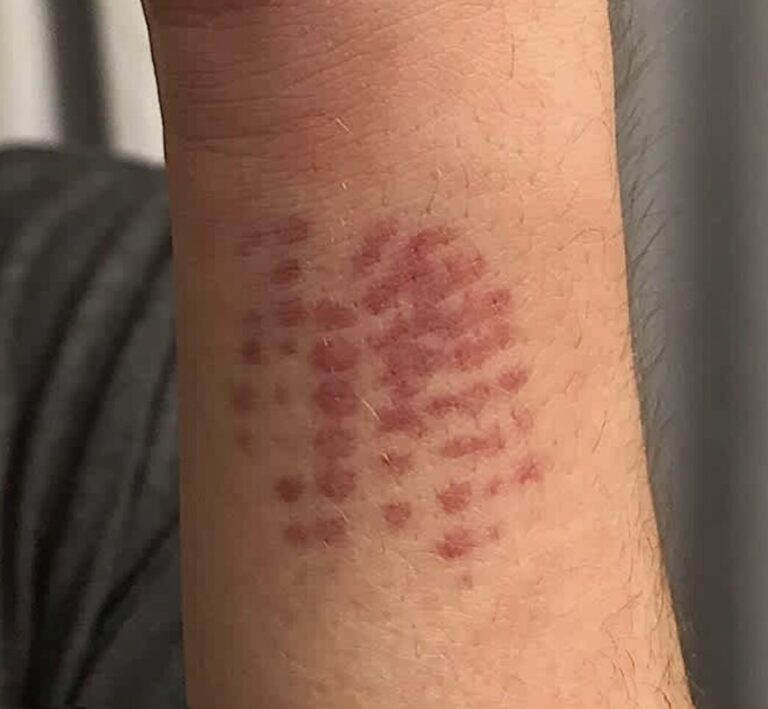
Andrea’s son Logan, who was fifteen at the time, was volunteering and collecting tree branches when he suddenly felt a sharp, stinging sensation on his arm. At first, it didn’t seem alarming. Insects sting people every day, and most of the time the discomfort fades quickly. Within minutes, however, Logan’s skin began to change in an unusual way. A red mark appeared on his arm, forming a pattern that looked almost like a grid pressed into his skin. The reaction was unlike a typical mosquito bite or bee sting, and it raised immediate concern.
The situation escalated quickly. The red marks spread and became a painful rash that moved from his arm toward his chest. Logan began to feel weak and lightheaded, and his skin grew pale. His mother did what many parents might do in the moment, cleaning the affected area and applying a home remedy that is often believed to help with insect stings. Despite her efforts, nothing eased the pain or slowed the reaction. The symptoms continued to worsen, making it clear that this was not a minor incident.
As the family tried to understand what had happened, Logan’s grandfather made a surprising discovery. Wearing thick gloves to protect himself, he carefully picked up the insect responsible and placed it in a bag. At first glance, it looked harmless, even appealing. It was small, fluffy, and soft-looking, the kind of insect that might tempt a curious child to touch it without hesitation. That innocent appearance, however, was exactly what made it so dangerous.
Through further research, Andrea learned that the caterpillar her son had encountered was considered one of the most poisonous in North America. Although it looked like a fuzzy toy rather than a threat, its venomous spines were capable of causing severe reactions. In some cases, contact with this caterpillar can lead to intense pain, swelling, nausea, and other serious symptoms that require immediate medical attention. Realizing the severity of the situation, Andrea took Logan to the emergency room without delay.
Doctors treated Logan and monitored him closely, confirming that his reaction was far beyond what could be managed at home. Andrea later explained that common over-the-counter medications would not have been enough to address the venom involved. She emphasized that seeking professional medical care as quickly as possible was critical, and she urged others not to underestimate similar symptoms if they ever occurred.
Determined to prevent other families from going through the same scare, Andrea shared her experience online. In her message, she encouraged parents to learn about this caterpillar, talk to their children about it, and take any sting seriously. She explained that while the insect was not originally native to her area, it had begun appearing there, catching many people off guard. Her warning spread quickly, reaching parents who had never heard of the insect before.
Andrea’s story highlights an important truth about nature: not everything dangerous looks threatening. Many insects that cause harm do not advertise themselves with bright warning colors or aggressive behavior. Some rely on camouflage or soft appearances, making them especially risky for children who are naturally curious. Education, awareness, and caution are the best tools families have to stay safe while still enjoying the outdoors.
The lesson from Logan’s experience is not meant to inspire fear, but respect. Knowing what insects live in your region, teaching children not to touch unfamiliar creatures, and recognizing unusual reactions can make a significant difference. Social media, when used responsibly, can play a valuable role in spreading this kind of knowledge. Andrea’s decision to speak out transformed a frightening moment into an opportunity to protect others.
Today, her message continues to circulate, reminding families that a simple encounter can turn serious if ignored. Paying attention, staying informed, and acting quickly when something seems wrong can prevent complications and ensure the right care is given. Sometimes, the most important warnings come from ordinary people sharing real experiences, and listening to those stories may one day make all the difference.