Few places inside a home can feel as unsettling as the attic. The space is usually dark, cramped, dusty, and filled with forgotten belongings that have not been touched for years. Because of that atmosphere, ordinary objects can suddenly appear strange, alarming, or even frightening when discovered in the shadows.
Many people who climb into an attic expecting to organize storage are surprised by how quickly their imagination begins working against them. A bent shape behind an old box or a dusty object hanging from the ceiling can seem mysterious until examined carefully under proper light.
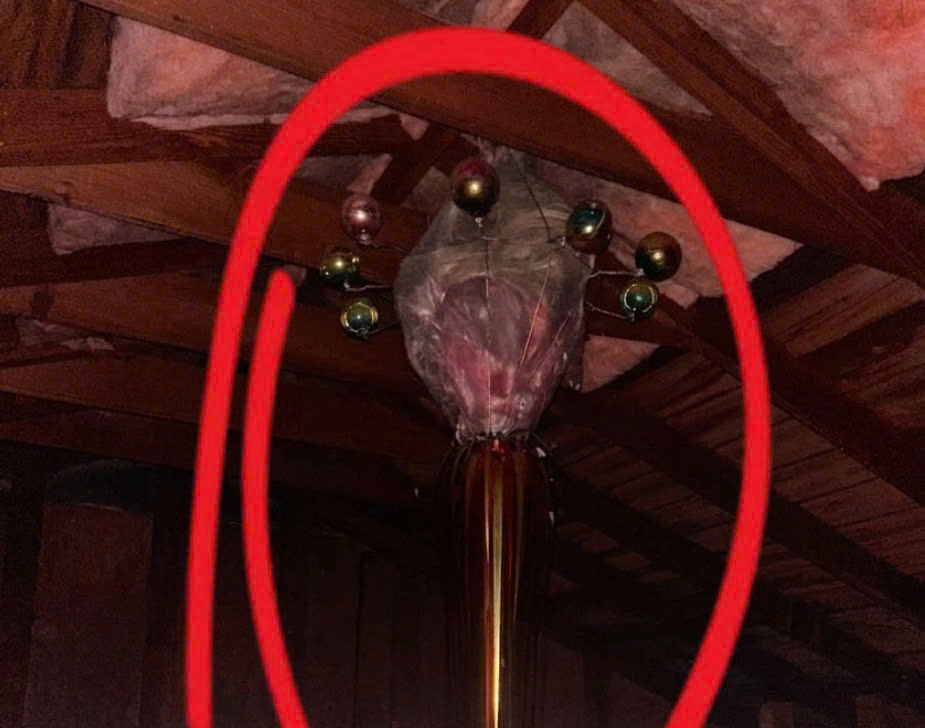
In reality, most unusual attic discoveries have simple explanations. Heat, humidity, dust, age, and years of neglect can completely change how common household items appear. Once these effects combine, an ordinary object may become difficult to recognize at first glance.
Attics create one of the harshest environments in a home for long term storage. During summer months, temperatures can rise dramatically, while winter brings sharp drops in temperature. These constant shifts slowly damage materials over time.
Wood is especially vulnerable. Furniture pieces, picture frames, shelves, and wooden decorations often warp after years in storage. Straight edges begin to twist, crack, or curve into unfamiliar shapes. A broken chair leg or damaged cabinet piece may look disturbing in dim light even though it is completely harmless.
Humidity also affects wood significantly. Moisture can cause swelling, discoloration, and splitting. Dust then settles across the damaged surface, giving it an aged and eerie appearance that feels far more dramatic than reality.
Plastic items change in different ways. Old toys, decorations, storage containers, and appliance parts may yellow or become brittle after years of attic heat. Pressure from stacked boxes can bend plastic slightly, leaving objects looking melted or distorted.
When these damaged items are partly hidden in darkness, they often seem far stranger than they truly are. A warped decoration or broken toy may appear mysterious until someone lifts it into proper lighting and sees it clearly.
Fabric also changes dramatically inside attic storage. Blankets, old clothes, curtains, costumes, and stuffed decorations absorb dust and moisture over time. Instead of remaining soft, fabric can become stiff, flattened, or unevenly shaped.
A folded blanket covering another object may resemble something entirely different from a distance. Dust can coat the surface in dull gray layers, making the material appear older and more unsettling than expected.
This is why many attic discoveries that initially seem creepy are actually nothing more than forgotten household textiles altered by years of storage conditions.
Cardboard boxes create additional confusion. Over time, heat and moisture weaken cardboard until it bends, softens, or collapses completely. Once boxes lose their shape, the items inside spill together and form strange outlines in dark corners.
Faded labels and hardened tape make identification even harder. A collapsed stack of boxes mixed with dust covered objects may look alarming until everything is separated and inspected properly.
The attic environment does more than physically change objects. It also changes how people interpret what they see. Darkness, silence, narrow spaces, and uncertainty naturally increase tension. When visibility is poor, the mind often fills missing details with imagination.
A partial shape hidden behind storage bins may appear threatening simply because only part of it is visible. Shadows stretching across the attic floor can make small objects seem larger and stranger than they really are.
Once the object is moved into better light, the fear usually disappears. The mysterious outline often turns out to be an old holiday decoration, broken appliance part, or forgotten piece of furniture.
Many common attic finds become difficult to recognize after years without context. Disassembled furniture is a perfect example. Table legs, drawer fronts, bed frames, and cabinet pieces lose their obvious identity when separated from the larger item.
Old decorations create similar confusion. Artificial greenery, cracked ornaments, and damaged seasonal displays often appear eerie after collecting dust for years. Appliance parts, tools, and storage containers can also look unfamiliar when discovered alone in dark corners.
Because of this, experts recommend approaching strange attic discoveries slowly and carefully. The safest first step is improving visibility. A bright flashlight or portable work light allows better examination without touching the object immediately.
Protective gloves are also helpful when handling dusty or brittle items. Some objects may contain splinters, sharp edges, or mold caused by long exposure to moisture. Moving carefully prevents unnecessary injury or damage.
Looking at nearby objects can also provide important clues. Wrapping paper, labels, nearby furniture, or storage containers often reveal the purpose of a mysterious item. Once context returns, the explanation usually becomes obvious.
Sometimes attic discoveries hold sentimental or historical value instead of danger. Old photographs, letters, handmade decorations, and vintage household items may preserve memories connected to previous generations.
A dusty object hidden in the attic corner could easily be mistaken for junk when it is actually part of a family’s history. This is why homeowners should avoid throwing unusual finds away too quickly.
Most attic mysteries are not truly mysterious at all. They are simply ordinary belongings changed by time, storage conditions, and loss of context. Heat warps wood, moisture damages cardboard, dust covers fabric, and darkness exaggerates every unusual shape.
With patience and proper lighting, most frightening attic discoveries become understandable. What first appears creepy or disturbing is usually just another forgotten household object waiting to be recognized again.
Calm observation transforms fear into curiosity and helps people understand forgotten belongings more safely.