Many people spend their lives worrying about sudden illnesses, unexpected medical emergencies, or conditions that seem to appear without warning. Yet some of the most important health challenges develop quietly over many years, often without obvious symptoms in the beginning. Among these silent concerns is the gradual decline of kidney health, a problem that can progress unnoticed until significant damage has already occurred.
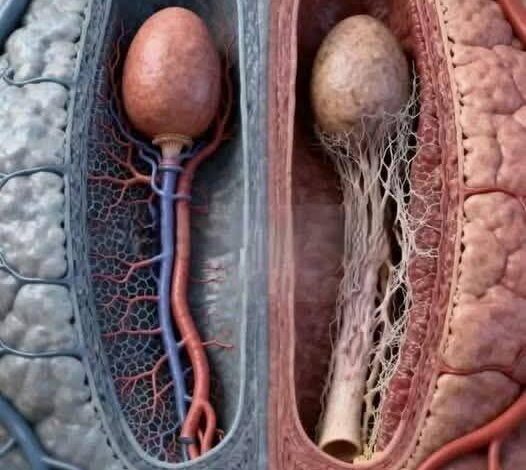
The kidneys are among the hardest-working organs in the human body. Every day, these two remarkable organs filter waste products from the bloodstream, help regulate fluid levels, balance essential minerals, and support overall health. Despite their critical role, they rarely demand attention. Unlike an injury that causes immediate pain or discomfort, kidney problems often develop gradually and silently, making it easy for people to overlook the habits that may be placing these organs under unnecessary stress.
Throughout history, the body has relied on countless internal systems operating behind the scenes. The kidneys are a perfect example of this hidden efficiency. They continuously process large volumes of blood, removing unwanted substances while preserving nutrients the body needs to function properly. Because they work so effectively without drawing attention to themselves, many people assume their kidneys are healthy until routine testing reveals otherwise.
One of the greatest challenges facing kidney health today is the accumulation of everyday lifestyle choices. The kidneys are remarkably adaptable, but they are not indestructible. Over time, excessive consumption of sodium, added sugars, and highly processed foods can place additional strain on these vital organs. While the body often compensates for years, the cumulative effects may gradually reduce the kidneys’ ability to perform at their best.
What makes this situation particularly concerning is the lack of obvious warning signs during the early stages. Many individuals continue with their daily routines believing everything is functioning normally. Meanwhile, subtle changes may be occurring beneath the surface. Unlike some health conditions that produce immediate symptoms, early kidney stress can progress quietly, making prevention and regular monitoring especially important.
Modern lifestyles have introduced several factors that may contribute to long-term kidney strain. Convenience foods, sugary beverages, insufficient hydration, prolonged sitting, and chronic stress have become common parts of daily life for many people. These habits not only affect overall wellness but can also increase the workload placed on the kidneys.
Processed foods often contain large amounts of sodium and additives that require additional filtration. Sugary drinks may contribute to elevated blood sugar levels, while inadequate water intake can make it harder for the body to efficiently remove waste products. Combined with a lack of physical activity, these factors can create an environment that challenges the body’s natural balance.
Chronic stress adds another layer of complexity. Long-term stress influences numerous biological systems, including blood pressure regulation and metabolic function. Over time, persistent stress can contribute to conditions that indirectly affect kidney health, highlighting the importance of managing both physical and emotional well-being.
Among the most significant risk factors for kidney disease are high blood pressure and elevated blood sugar levels. These conditions can gradually damage the delicate blood vessels responsible for filtering waste from the bloodstream. What makes these threats particularly serious is that they often develop slowly and may remain unnoticed for years.
Health professionals are increasingly observing signs of metabolic and kidney-related concerns in younger adults. Conditions once primarily associated with aging are now appearing earlier in life, often linked to lifestyle patterns established during the twenties and thirties. This trend underscores the growing importance of preventive healthcare and early intervention.
Another frequently overlooked factor involves the use of common medications. Over-the-counter pain relievers can be extremely helpful when used appropriately, but excessive or prolonged use may place additional strain on the kidneys. This concern becomes even more relevant when medication use is combined with chronic dehydration or other underlying health challenges.
Many individuals take pain relievers regularly without considering how lifestyle habits may be contributing to recurring discomfort. Fatigue, dehydration, poor sleep, and chronic inflammation can sometimes lead people to rely on medications more frequently than necessary. While medications have an important role in healthcare, they should be used responsibly and according to medical guidance.
Early indicators of declining kidney function can sometimes be subtle. Persistent tiredness, swelling in the hands or feet, changes in urinary patterns, or difficulty concentrating may occasionally signal underlying concerns. However, these symptoms are not exclusive to kidney problems and can result from many different conditions. This is why professional medical evaluation remains essential whenever unusual symptoms persist.
The most effective strategy for supporting kidney health is prevention. Small, consistent choices made each day can have a meaningful impact over time. Staying properly hydrated, eating a balanced diet rich in whole foods, engaging in regular physical activity, and maintaining healthy blood pressure and blood sugar levels are among the most important steps people can take.
Nutrition plays a particularly powerful role. Diets centered around fruits, vegetables, lean proteins, healthy fats, and minimally processed foods provide nutrients that support overall wellness. Reducing excessive sodium and added sugars may also help lessen unnecessary strain on the body’s filtration systems.
Regular movement is equally important. Physical activity supports cardiovascular health, improves circulation, helps regulate blood sugar, and contributes to maintaining a healthy weight. Even simple daily activities such as walking can provide meaningful benefits over time.
Routine medical checkups are another essential component of long-term kidney protection. Blood tests and urine screenings can often detect subtle changes long before noticeable symptoms appear. Early detection allows healthcare providers to recommend lifestyle adjustments or treatments that may help slow or prevent further progression.
Ultimately, protecting kidney health is not about fear—it is about awareness. These remarkable organs work tirelessly every moment of every day to support the body’s natural balance. By paying attention to hydration, nutrition, physical activity, stress management, and preventive healthcare, individuals can help preserve kidney function for years to come.
The kidneys may operate quietly, but their impact on overall health is profound. Every heartbeat, every breath, and every cell depends on the body’s ability to maintain proper balance. When we make thoughtful choices today, we invest in our future energy, resilience, and quality of life. Caring for these silent protectors is one of the most valuable commitments we can make to our long-term health and well-being.