Few songs capture the feeling of longing quite as perfectly as “California Dreamin’” by The Mamas & The Papas. More than half a century after its release, the song continues to resonate with listeners because it speaks to a universal human experience: the desire to be somewhere else, to find warmth during difficult times, and to chase a dream that feels just beyond reach.
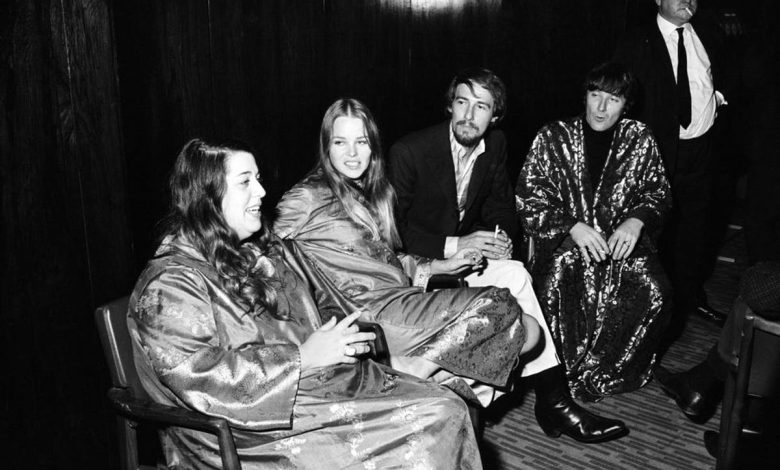
The story behind this timeless classic began in the early 1960s when John Phillips and Michelle Phillips were living in New York City. While the city offered excitement, opportunity, and creative energy, it also brought cold winters that felt especially harsh to Michelle, who had grown up in California.
As temperatures dropped and gray skies settled over the city, Michelle found herself missing the sunshine, beaches, and relaxed atmosphere of Los Angeles. Her homesickness became the inspiration for a song that would eventually become one of the defining recordings of an entire generation.
One evening, inspired by Michelle’s longing for home, John Phillips began writing lyrics that reflected those feelings. What started as a personal expression of missing California soon evolved into something much larger. The emotions behind the song were genuine and relatable, making it easy for listeners to connect with its message.
At the time, John and Michelle were members of a folk group known as the New Journeymen. Their musical path was changing, however, and they soon joined forces with Denny Doherty and Cass Elliot. Together, the four musicians formed The Mamas & The Papas, a group whose distinctive harmonies would help define the sound of the mid-1960s.
The chemistry between the members was immediately apparent. Their voices blended beautifully, creating a rich and memorable sound that stood out from many other groups of the era. Their combination of folk influences and pop accessibility helped them connect with a broad audience.
“California Dreamin’” emerged directly from the Phillipses’ personal experiences. The lyrics painted a vivid picture of winter on the East Coast, contrasting cold weather and gray skies with the warmth and promise of California.
The opening line, “All the leaves are brown, and the sky is gray,” instantly established the mood. It captured the bleakness of winter while setting up the song’s central theme of longing for a brighter place. The imagery was simple, yet remarkably powerful.
Before The Mamas & The Papas recorded their own version, the song was first recorded by singer Barry McGuire. Interestingly, members of The Mamas & The Papas provided backing vocals on that recording.
As they listened to the finished result, however, they recognized the song’s extraordinary potential. Believing it could become something special, they decided to create their own version.
That decision proved to be a turning point.
With Denny Doherty taking the lead vocal role and the group providing their signature harmonies, “California Dreamin’” took on a completely new identity. The song suddenly felt more emotional, more atmospheric, and more memorable.
The recording session itself featured several creative contributions that helped shape the final sound. One of the most distinctive elements came from jazz musician Bud Shank, who performed an improvised alto flute solo.
The flute added a haunting and almost dreamlike quality to the recording. Its delicate tone perfectly complemented the song’s themes of reflection and yearning.
Another crucial contribution came from guitarist P.F. Sloan, whose instantly recognizable guitar introduction established the song’s mood from the very first notes. The combination of guitar, flute, harmonies, and thoughtful lyrics created a recording unlike anything else on the radio at the time.
When “California Dreamin’” was released in December 1965, its success was not immediate. Like many classics, it took time for audiences to discover its brilliance.
The breakthrough began when a radio station in Boston started giving the song significant airplay. Local listeners responded enthusiastically, and the growing popularity soon spread to other markets across the country.
As more stations added the song to their playlists, its audience expanded rapidly. By March 1966, “California Dreamin’” had reached number four on the Billboard Hot 100, establishing The Mamas & The Papas as major stars.
The song’s success reflected more than just strong musicianship. It arrived during a period when many Americans were searching for new opportunities, fresh experiences, and different ways of life.
Its themes of escape, hope, and personal longing resonated deeply with listeners. Whether they dreamed of California specifically or simply wished for a better future, many people saw themselves in the song’s message.
The emotional balance between melancholy and optimism became one of its greatest strengths. While the lyrics expressed dissatisfaction with the present, they also carried a sense of possibility and hope.
Although The Mamas & The Papas would go on to record numerous successful songs, “California Dreamin’” remained their most iconic achievement. It became the song most closely associated with the group and helped secure their place in music history.
Their ability to combine sophisticated harmonies with emotionally resonant storytelling made them one of the most influential acts of the decade. Their music captured the spirit of the 1960s while remaining timeless enough to speak to future generations.
Over the years, countless artists have recorded their own versions of “California Dreamin’.” Musicians from a wide variety of genres—including rock, jazz, pop, and alternative music—have found inspiration in the song.
Each interpretation brings something new, yet the core emotional message remains intact. That adaptability is one reason the song has endured for so many decades.
The recording has also appeared in numerous films, television programs, and commercials, introducing it to audiences who may not have been familiar with the original release. As a result, each new generation discovers the song and finds its themes just as relevant as listeners did in the 1960s.
The legacy of The Mamas & The Papas extends far beyond a single hit record. They helped pioneer a unique blend of folk and pop music that influenced countless artists who followed. Their innovative harmonies and songwriting continue to inspire musicians today.
Looking back, it is clear that the creation of “California Dreamin’” represented a perfect combination of inspiration, talent, and timing. What began as a simple expression of homesickness evolved into a cultural landmark that continues to resonate around the world.
More than a song, “California Dreamin’” became a symbol of aspiration, change, and possibility. Its themes are timeless because the desire to seek something better is part of the human experience.
Even today, the song remains a powerful reminder that music can capture our deepest emotions, connect people across generations, and transform a personal story into a universal anthem. That enduring connection is what makes “California Dreamin’” not just a classic song, but a lasting piece of cultural history.