For more than seven decades, Clint Eastwood has occupied a rare place in American culture. With his unmistakable stare, restrained delivery, and commanding screen presence, he became one of Hollywood’s most recognizable figures. Audiences watched him play hardened outsiders, determined lawmen, aging fighters, and complicated men confronting difficult choices. Over time, his image became so closely connected with toughness and endurance that it sometimes seemed impossible to imagine Hollywood without him.
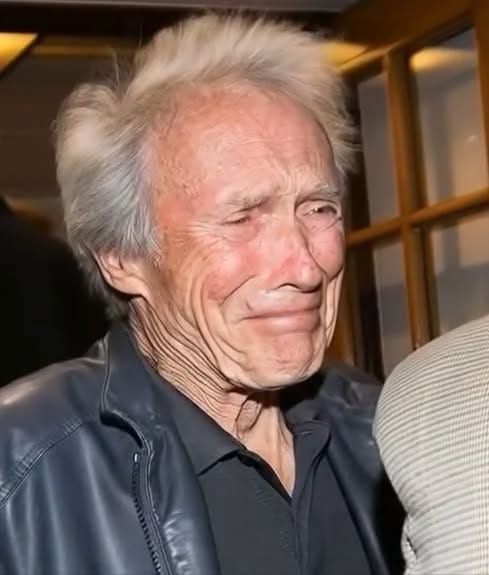
That is partly why emotional stories about Eastwood’s age, health, and future spread so quickly online. At 96, every public update about the actor and director naturally attracts enormous attention. Some viral posts have gone much further, claiming that his children have revealed a serious private health struggle and suggesting that the family is preparing for an uncertain future. Those claims are deeply moving, but they should be treated carefully because no widely verified family statement has confirmed the dramatic medical details often attached to them.
What has been publicly discussed is Eastwood’s changing relationship with filmmaking. His son Kyle Eastwood has said that his father has retired, describing with affection the years they spent working together. Other comments from the family, however, have created some uncertainty about whether Clint considers his extraordinary career completely finished. Either way, the discussion has reminded fans that even icons eventually reach a stage of life when family, privacy, and personal time may matter more than another production schedule.
For generations of moviegoers, Eastwood has represented something larger than celebrity. His early Western roles helped define the image of the quiet, morally complicated gunslinger. Later, the “Dirty Harry” films made him an enduring symbol of hard-edged American cinema. As he grew older, Eastwood transformed himself from a major movie star into one of the industry’s most respected directors, proving that his influence extended far beyond the characters he portrayed.
Films such as “Unforgiven,” “Million Dollar Baby,” “Mystic River,” “Letters from Iwo Jima,” and “Gran Torino” demonstrated a different side of his creative identity. These movies often explored regret, responsibility, violence, aging, forgiveness, and the consequences of choices. Rather than relying only on the tough-guy image that first made him famous, Eastwood increasingly examined the weaknesses and contradictions behind that image. The result was a body of work that evolved along with both the filmmaker and his audience.
That extraordinary longevity helps explain why conversations about his later years can feel surprisingly personal to people who have never met him. Many viewers first encountered Eastwood when they were young, then watched his career continue through adulthood, parenthood, and even retirement. He became a familiar presence across multiple generations, linking classic Hollywood traditions with modern filmmaking. For some families, parents introduced his movies to their children, who later discovered his directing work on their own.
As a result, the possibility of Eastwood stepping permanently away from filmmaking naturally creates a sense of reflection. It does not require an unconfirmed health crisis to make the moment meaningful. A 96-year-old artist with a career spanning more than seven decades has already reached a remarkable milestone. The more responsible way to honor that achievement is to appreciate what is known rather than amplify frightening claims that his family has not publicly substantiated.
Eastwood’s children have occasionally spoken about their father, their memories, and the influence he had on their lives and careers. Their perspectives offer glimpses of the person behind the public image, but they also remind audiences that a famous family still deserves ordinary boundaries. Aging is personal, and medical information belongs to the individual and those they choose to include. Public admiration does not automatically create a right to private details.
That distinction is especially important in the age of viral headlines. Dramatic phrases suggesting that a beloved celebrity is facing a final battle can travel around the world before readers stop to ask where the information originated. Emotional language encourages sharing, particularly when the subject is someone whose work has been part of popular culture for decades. Yet admiration is better expressed through accuracy than speculation.
There is already plenty to celebrate without turning Eastwood’s private life into a mystery that needs to be solved. He won Academy Awards, directed acclaimed dramas, helped reshape the Western, created unforgettable characters, and remained active at an age when most people had long since left their professions. His career reflects discipline, adaptability, creative independence, and an unusual willingness to keep working without chasing every trend.
If Eastwood has truly entered retirement, the moment deserves respect rather than alarm. It offers fans an opportunity to look back at a remarkable career and recognize how much American cinema changed during his lifetime. From spare Western landscapes to intimate dramas about aging and redemption, his films have left a distinctive mark on generations of viewers and filmmakers.
That record alone gives audiences more than enough reason to celebrate his contribution to cinema.
Ultimately, Clint Eastwood does not need a dramatic final headline to secure his place in Hollywood history. His legacy is already written across decades of performances, directing achievements, memorable characters, and films that continue to be discussed today. As he moves through this later chapter of life, the most fitting response is gratitude, respect for his family’s privacy, and appreciation for the extraordinary body of work he has given audiences. Legends are not measured by rumors surrounding their final years. They are remembered by what they created, what they changed, and what remains after the cameras stop rolling.