Many people think about calories, sugar, fat, and vitamins when choosing food, but food safety matters too. Certain foods can carry parasites or other harmful organisms when they are eaten raw, undercooked, or prepared improperly. That does not mean these foods must be avoided. The real issue is how they are sourced, handled, stored, and cooked. Understanding the risks can help people enjoy a varied diet while reducing foodborne illness.
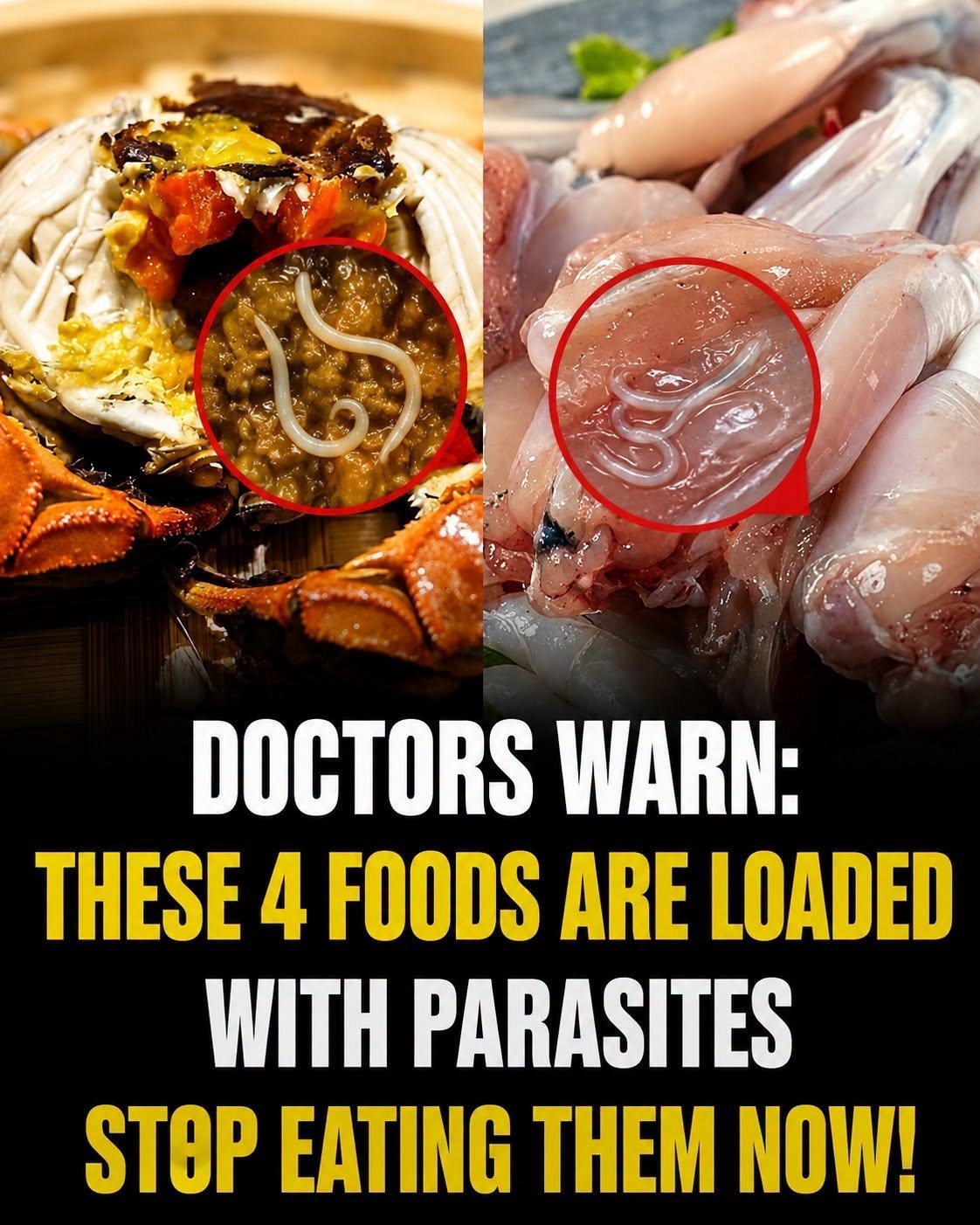
Parasites are organisms that can live in or on another organism, and some are capable of infecting humans through contaminated food. The risk varies depending on the food, source, region, and preparation. Good kitchen hygiene, trusted suppliers, and proper cooking methods can greatly reduce that overall health risk. The following foods deserve extra attention because they may be linked to parasitic infections when safety practices are ignored.
Raw fish, including sashimi, is one of the best-known examples. High-quality sashimi is widely enjoyed around the world, but raw fish must be handled according to strict food safety standards. Certain types of fish can carry parasites such as anisakis worms or other organisms that may cause illness if the fish is eaten without proper treatment. Commercial freezing methods are commonly used to reduce this risk before raw fish is served.
For that reason, sashimi should come from reputable restaurants or suppliers that follow established food safety rules. Buying raw fish from an unreliable source or eating fish that has not been properly frozen can increase the chance of infection. People who prepare sashimi at home should use fish specifically intended for raw consumption rather than assuming any fresh-looking fish is automatically safe.
Frog meat is another food that requires thorough cooking. In some parts of the world, frogs are a traditional delicacy, but raw or undercooked frog meat has been associated with certain parasitic infections. A quick sear may not be enough to make the meat safe if harmful organisms are present. Cooking it thoroughly and purchasing it from a licensed, reputable vendor are simple ways to reduce unnecessary risk.
Snails also need careful preparation. Depending on where they are raised or collected, snails may carry parasites or other pathogens. This is especially important with wild snails or those obtained from uncertain sources. Proper cleaning and thorough cooking are essential. Light steaming or brief cooking may not be sufficient if the internal temperature does not become high enough for long enough to destroy harmful organisms.
People preparing snails at home should follow reliable food safety guidance and avoid serving them partially cooked. It is also wise to keep raw snails and their juices away from ready-to-eat foods to prevent cross-contamination. As with other higher-risk foods, sourcing matters. Products from regulated suppliers are generally easier to trace and more likely to have been handled under established standards.
Water chestnuts may seem like an unexpected item on this list because they are plants rather than meat or seafood. However, aquatic plants can sometimes be exposed to parasites during growth in contaminated water. In areas where certain foodborne parasites are present, eating raw aquatic plants may increase the risk of infection. Washing, peeling, and cooking water chestnuts can reduce that risk.
This does not mean every raw water chestnut is dangerous. The level of risk depends on where it was grown and how it was handled. Packaged water chestnuts sold through regulated food systems are often processed or prepared in ways that make them safer. Still, people gathering aquatic plants themselves or buying them from uncertain sources should be particularly cautious.
Undercooked beef also deserves attention, although the main food safety concerns may include both parasites and bacteria. Whole cuts of steak are generally handled differently from ground beef because contamination is more likely to remain on the surface of an intact cut. Ground meat, however, can distribute microorganisms throughout the product, which is why it usually requires more thorough cooking.
People who prefer steak less well done should understand that no preparation method eliminates all risk. Choosing meat from reliable sources, storing it correctly, avoiding cross-contamination, and following appropriate temperature guidance can make meals safer. Anyone who is pregnant, elderly, immunocompromised, or otherwise at higher risk of foodborne illness may need to take additional precautions with raw or undercooked foods.
The most important lesson is that food safety is not about fear. It is about preparation. Wash hands before and after handling raw ingredients, keep raw foods separate from cooked foods, clean cutting boards and utensils, refrigerate perishable items promptly, and cook higher-risk foods thoroughly. These basic habits prevent many foodborne illnesses far more effectively than dramatic warnings or avoiding entire food groups without context.
Symptoms of foodborne parasitic infection can vary depending on the organism involved. Some people may experience stomach discomfort, diarrhea, nausea, fatigue, or other digestive symptoms. In certain infections, symptoms can last longer or require medical treatment. Anyone who develops persistent or severe symptoms after eating a potentially risky food should contact a healthcare professional for proper evaluation.
Ultimately, sashimi, frog meat, snails, water chestnuts, and steak can all be part of a varied diet when they are sourced and prepared responsibly. The goal is not to label familiar foods as dangerous, but to recognize that some ingredients require extra care. With reliable suppliers, good hygiene, proper storage, and safe cooking practices, people can enjoy these foods while keeping food safety at the center of every meal.